
Your brain is electric. Literally.
At any given moment, billions of neurons are communicating in an extraordinarily complex dance of electrical and chemical signals. Those signals allow us to think, move, remember, create, and experience the world around us.
At Synaptex Studios, we think that's pretty amazing. Amazing enough, in fact, to turn the beautiful complexity of neuroscience into art you can wear.
But why is a clothing company talking about epilepsy?
Well, Synpatex Studios isn’t your typical clothing company. Founded by a neurologist (me!), Synaptex celebrates the intersection of neuroscience, art, and personal expression. Our artist-designed patterns are inspired by neurons, synapses, brainwaves, and the remarkable science behind them. We believe that science is fascinating, beautiful, and worth talking about.
And sometimes those conversations matter in ways that go well beyond fashion.
November is National Epilepsy Awareness Month, an opportunity to celebrate scientific discovery, recognize the people whose lives are affected by epilepsy, and encourage everyone to be more seizure aware.

The Art and Science of Brainwaves
If you've ever seen an EEG (electroencephalogram), you know that the electrical activity of the brain creates some pretty interesting patterns.* Those squiggly lines can be visually fascinating, but they also tell us something important about how the brain is functioning.
EEGs are among the tools neurologists use to evaluate people with seizures and epilepsy. They record the electrical activity generated by groups of neurons and can help us identify patterns associated with an increased risk of seizures.
At Synaptex, we love the idea of taking something as technical as brainwave recordings and finding beauty in their patterns. But behind those patterns is an important story about the people whose brains produce them.
What are Seizures?
A seizure occurs when there is a temporary change in the way the brain sends electrical signals. You can think of a seizure as a “short circuit” or an “electrical storm” in the brain.
Seizures do not all look like the big shaking events one might see on TV. What a seizure looks like depends upon the area of the brain involved. They might look like a staring episode, a period of confusion, or a change in how someone feels or acts.
Every brain has the potential to have a seizure.
Why Epilepsy Isn’t a Bad Word
In the past, there was a great deal of stigma associated with the word epilepsy. Unfortunately, some of that stigma persists today.
Not everyone who has a seizure has epilepsy. Epilepsy simply means that a person is at risk for unprovoked recurrent seizures. The unprovoked part means there wasn’t something that caused a seizure, such as a high fever in a young child. Anyone who has had two unprovoked seizures, as well as some folks who have only had one unprovoked seizure, meets criteria for epilepsy.
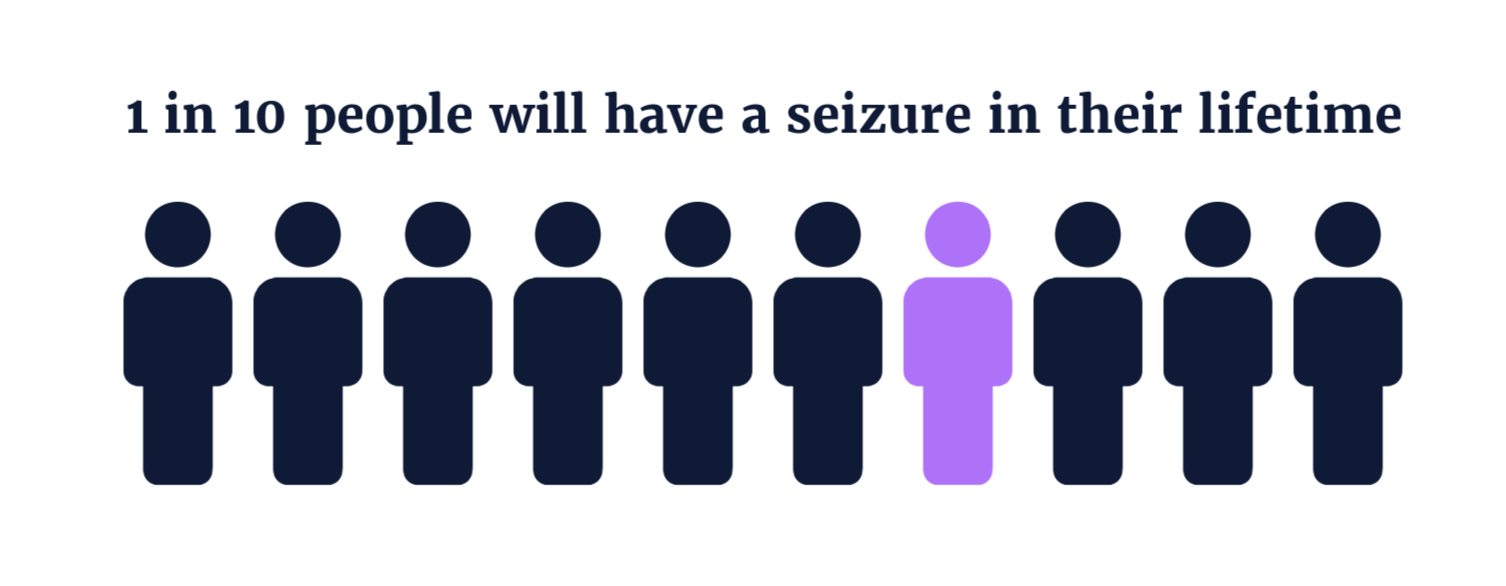
And epilepsy is more common than you likely think - 1 in 26 people in the United States will be diagnosed with epilepsy in their lifetime.
Sometimes people, even neurologists, will use the diagnosis "seizure disorder." While that isn't wrong, I always say, "We have an Epilepsy Foundation, not a Seizure Disorder Foundation."
The Epilepsy Foundation is an amazing resource whose mission is to improve the lives of people affected by epilepsy through education, advocacy, research, and connection. Through my work with the Epilepsy Foundation of Michigan, I've been consistently impressed with the dedication and hard work of its team.
Awareness matters because understanding epilepsy helps challenge misconceptions and reduce stigma. Having epilepsy is not something to be ashamed of, and talking openly about it is one way we can make that message clear.
A Few Things Everyone Should Know
There are some common misconceptions about epilepsy that are worth clearing up.
Seizures are not contagious. Someone experiencing a seizure may not be aware of what is happening and may not remember it afterward. A person cannot swallow their tongue during a seizure, and you should never put anything in someone's mouth.
Most seizures stop on their own after a short time, but some situations require emergency medical attention.
Seizure First Aid: Knowledge That Matters
You don't have to be a neurologist to help someone having a seizure.
The most important thing is to stay calm, stay with the person, and help keep them safe. The Epilepsy Foundation's seizure first-aid guidance offers simple, practical steps that everyone can learn.
Learn seizure first aid from the Epilepsy Foundation and download the Seizure First Aid Poster (available in 22 languages!)
From Curiosity to Understanding
At Synaptex Studios, we create clothing for people who find science fascinating and aren't afraid to show it. We love the idea that an interesting pattern on a necktie, a pair of socks, or a favorite outfit might prompt someone to ask, "Wait, is that a neuron?"
That's the kind of curiosity that makes science more accessible.
And that same curiosity can lead to bigger conversations: How does the brain work? What happens during a seizure? Why is epilepsy still misunderstood?
Our clothes celebrate the extraordinary brain. Epilepsy Awareness Month reminds us that celebrating the brain also means understanding the conditions that affect it and supporting the people living with them.
So what can you do? Share something you've learned today, post a seizure first-aid poster at your workplace or school, or take a seizure first-aid training course.
Curiosity is a wonderful place to start. Knowledge is even better.
Learn more about epilepsy, seizure first aid, and ways to get involved through the Epilepsy Foundation and the Epilepsy Foundation of Michigan.
*This image is one of the first EEGs ever made, appearing in Hans Berger's first publication about EEGs in 1929!
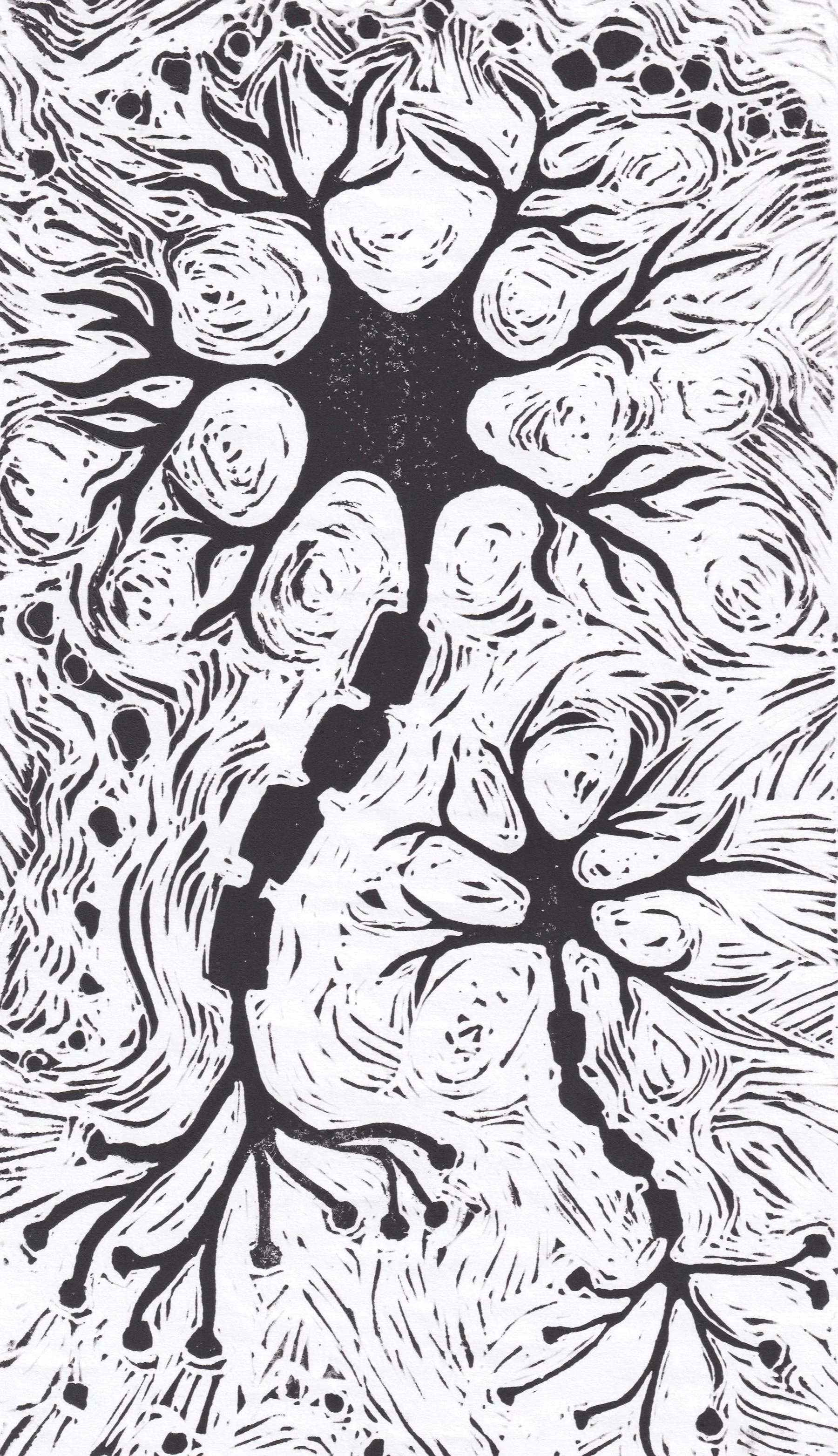
The first image is of an original block print by Ivy Ratliff. Learn more about her and other collaborating artists here.